Hermann Ebbinghaus and the Science of Memory
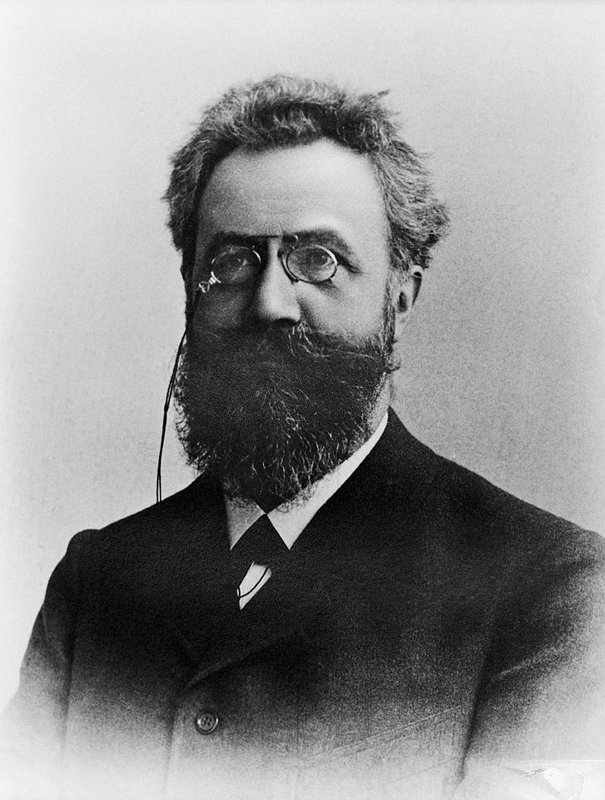
Hermann Ebbinghaus
Backlinks (1)
1. Blog /blog/
welcome
this page is for my non-technical ramblings.

“If I had a world of my own, everything would be nonsense.” —The Hatter
The human mind is a fickle creature. It is prone to dozens of cognitive biases, and the way it is strengthened, is paradoxical:
To learn, you must forget
The above is a mantra all my students are familiar with, and derives from an understanding of Ebbinghaus’ forgetting curve.
Additionally, the human-mind is highly fragile:
And biologically expensive:
Whilst this sword is double-edged; it enables our creativity, capacity for complex thought, reasoning, etc.; the design of this organ leads to largely improper use by its hosts.
Analogously, we may consider our smartphone with an “App” called “Brain”. This app – although capable – immediately drains your battery by 20%. Suddenly, it’s not an app that you would prefer to use.
Once again, the strengthening of the brain muscle becomes an unintuitive, paradoxical concept—a recurring motif.
Yet the organ can be made reliable. Cognitive psychology has isolated three techniques that, working together, convert fragile recall into durable knowledge—active recall, spaced repetition, and interleaving. They are the load-bearing pillars of every effective study system, resting on the empirical bedrock laid by Ebbinghaus, and put into daily practice by a tool like Anki.
This page serves as a rolodex for the following leaf blogs:
├── spaced repetition
├── active recall
├── interleaving
└── anki
Hermann Ebbinghaus
/blog/this page is for my non-technical ramblings.
“If I had a world of my own, everything would be nonsense.” —The Hatter